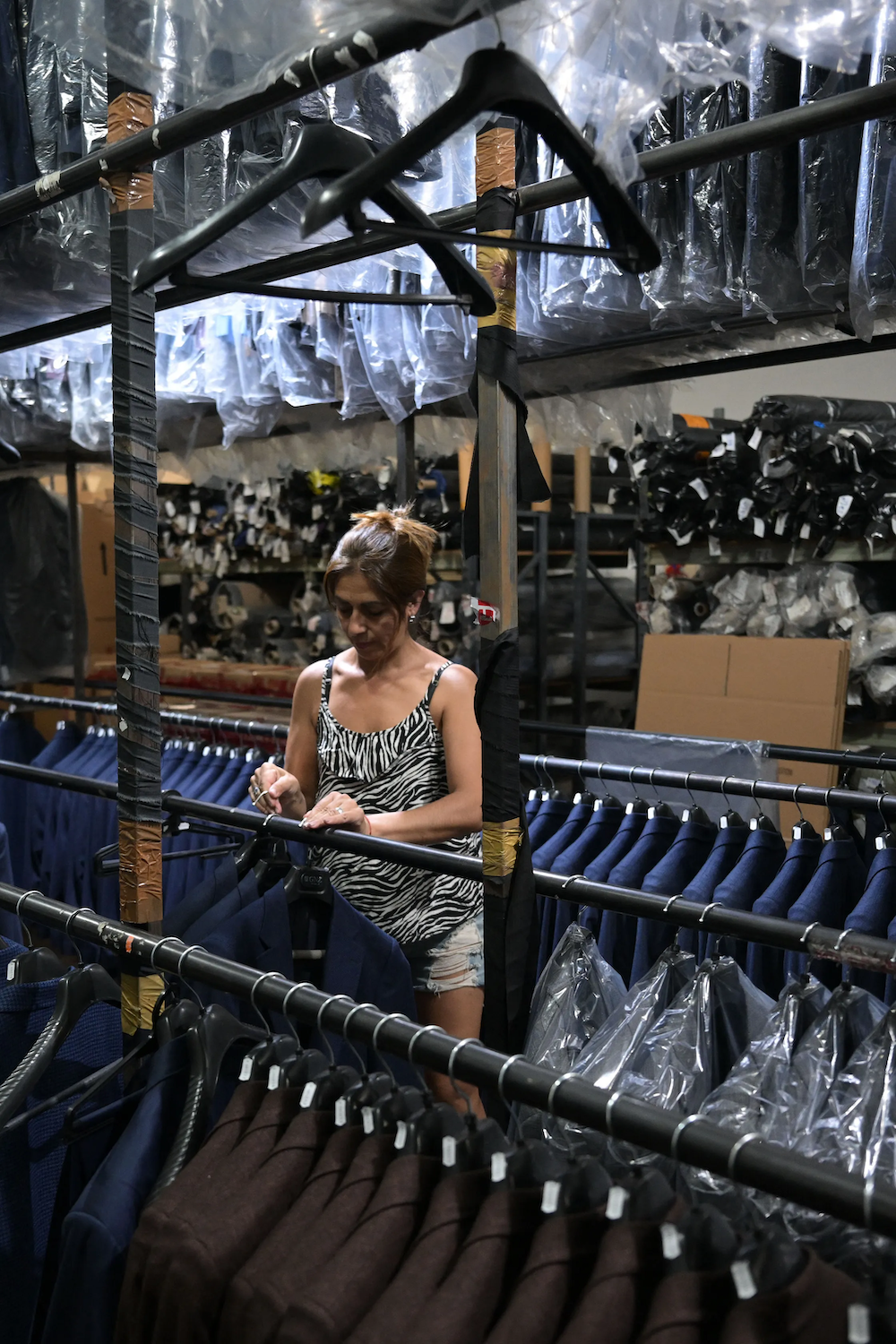
Will the EU’s Ban on Destroying Unsold Stock Actually Work?
It’s been a month since the ban on the destruction of unsold clothing, textiles and footwear was rolled out in Europe, preventing enterprise-scale fashion brands from incinerating or landfilling usable products. Now brands are busy collecting and organizing fragmented supply chain data, and establishing new channels to deal with their unsold stock.Written for Vogue Business.

The Darker Side of Live Shopping
Proponents believe that live-stream selling is the future of e-commerce, creating new avenues for selling dead stock, vintage, and secondhand products while purportedly reducing return rates and overcoming inherent limitations of static e-commerce websites by allowing shoppers to ask questions and see the detail, flow, and fit of the garments. But others are concerned that live streaming is speeding up consumption and using manipulative tactics, like limited shopping windows and bidding, to encourage impulse-driven shopping habits. Written for Vogue Business.

The Leather Lobby Could Change the Fate of the Fashion Industry
The fate of leather is up in the air, carrying big implications for fashion supply chains. On June 1, regulators will decide whether or not to exclude leather from the European Commission’s Deforestation Regulation (EUDR), which will come into effect at the end of this year and aims to ensure products sold in the European Union do not contribute to deforestation or forest degradation. Written for Vogue Business.
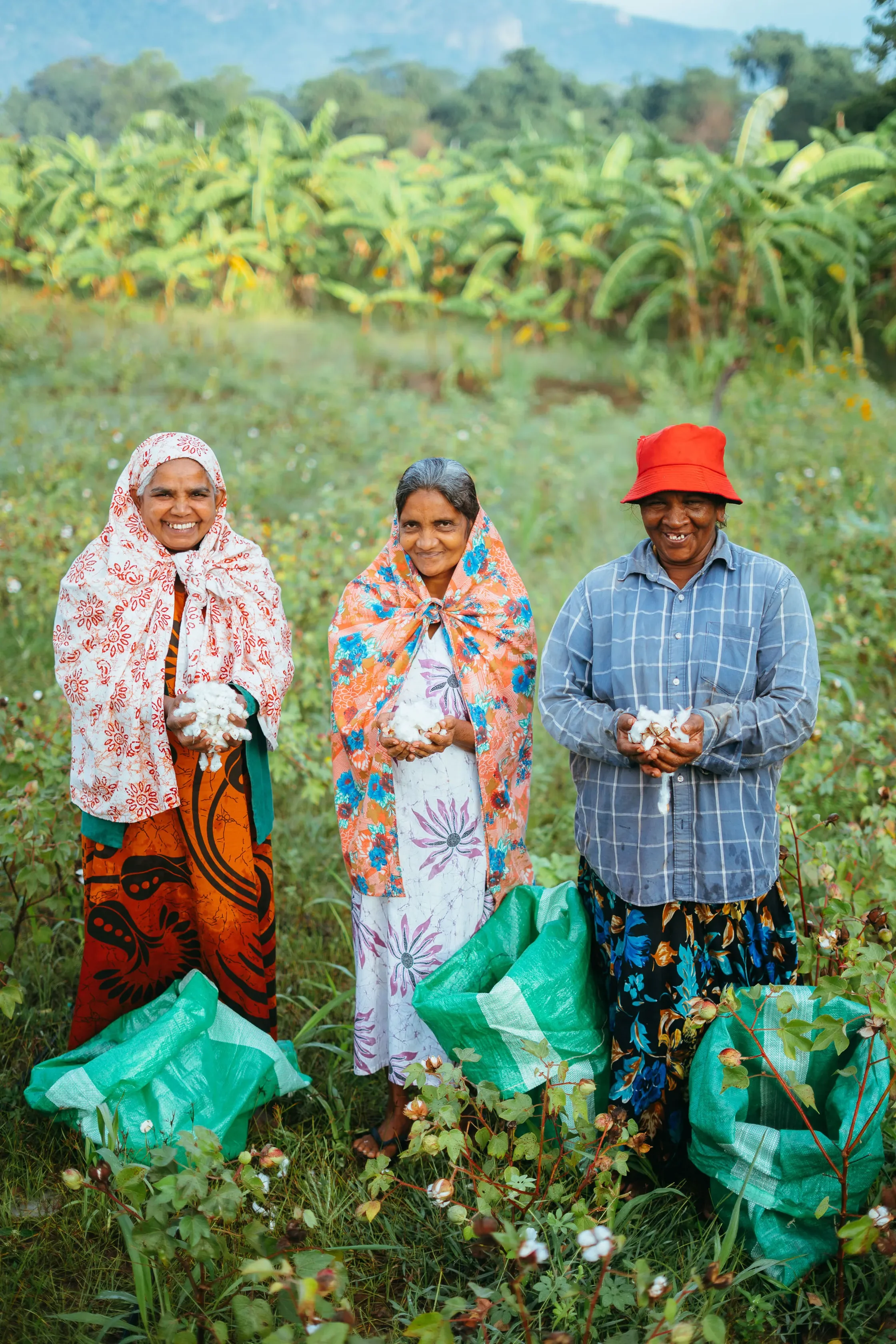
How to Revive Ancient Cotton
Deep in the center of Sri Lanka’s agricultural heartland lies Monaragala, which in early April, is simmering under unseasonable heat and humidity. A five-hour drive from the capital of Colombo, it’s home to a unique initiative: reintroducing near-forgotten ancient cotton farming practices to the region, with a modern regenerative twist. Written for Vogue Business.
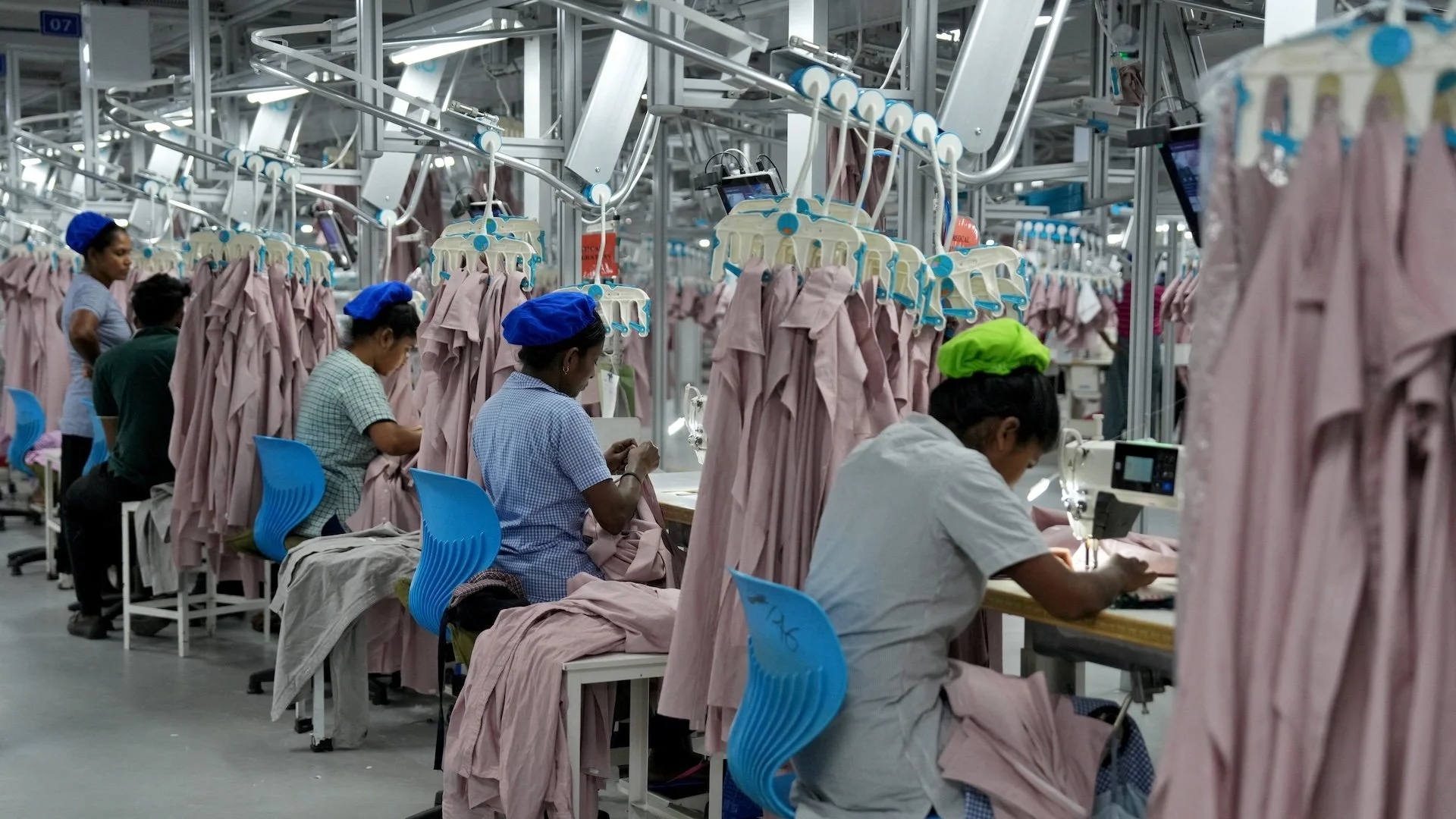
Sri Lanka’s $5 Billion Apparel Industry Faces Fresh Headwinds
While the country punches above its weight in the apparel sector, the island nation has had to grapple with more than its share of environmental and geopolitical crises—and that was before the war in Iran created a choke point. Written for HGI

Bog Fashion: The Designers Collaborating with Swamps and Soil
Working with peatland water, moss, clay, and time, a new generation of designers embraces irregular dyeing and decay as a way to question what quality and value truly mean. Written for Atmos Magazine.
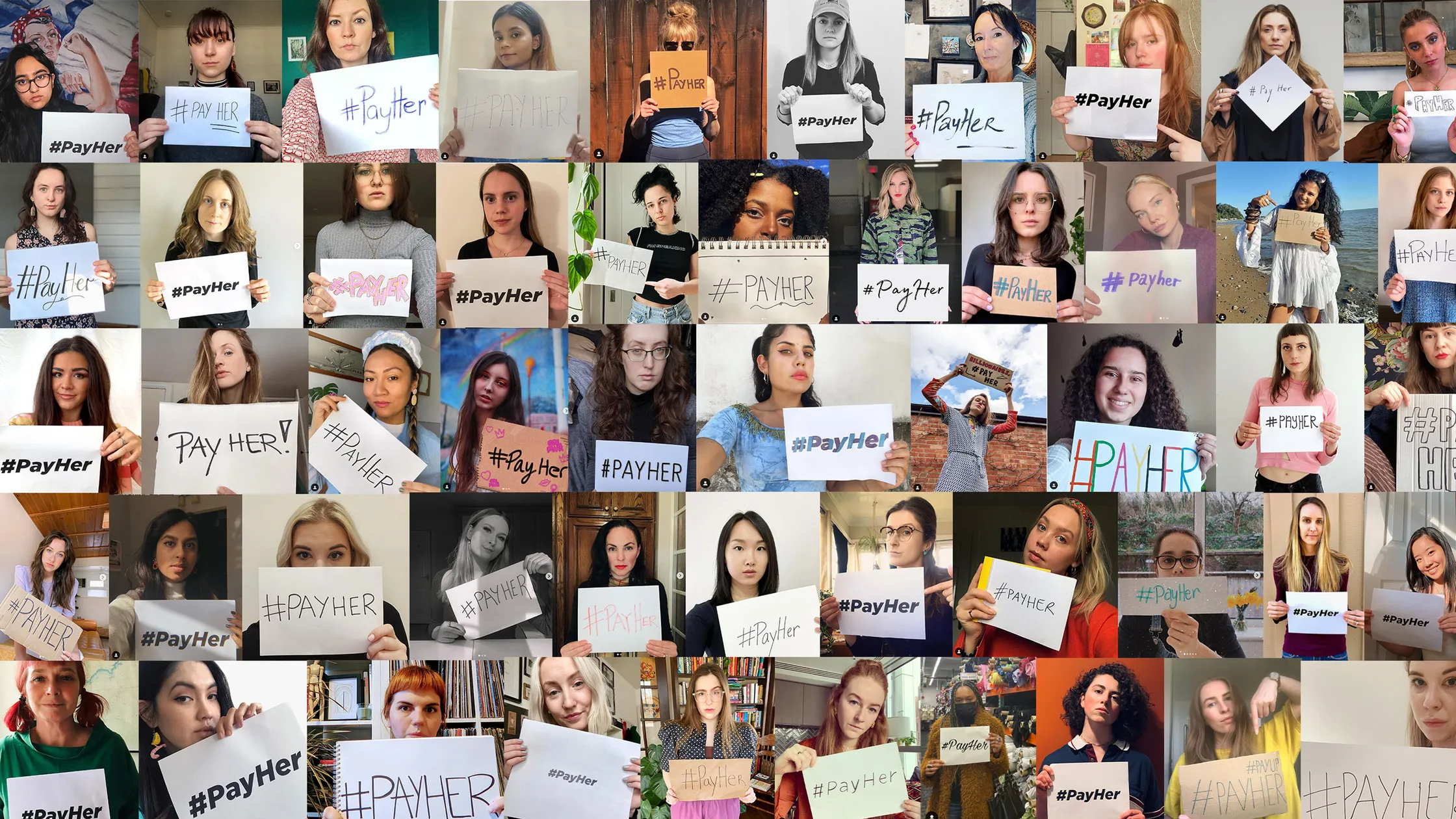
Sustainable Fashion Funding Is Faltering. What Now?
After more than 10 years, Californian fashion advocacy organization Remake will cease operations this week. In an announcement made on February 19, the non-governmental organization (NGO) behind the #PayUp campaign, which pressured global brands to pay for $22 billion in canceled orders during the pandemic, cited insurmountable funding issues as its core reason for shuttering. Written for Vogue Business.
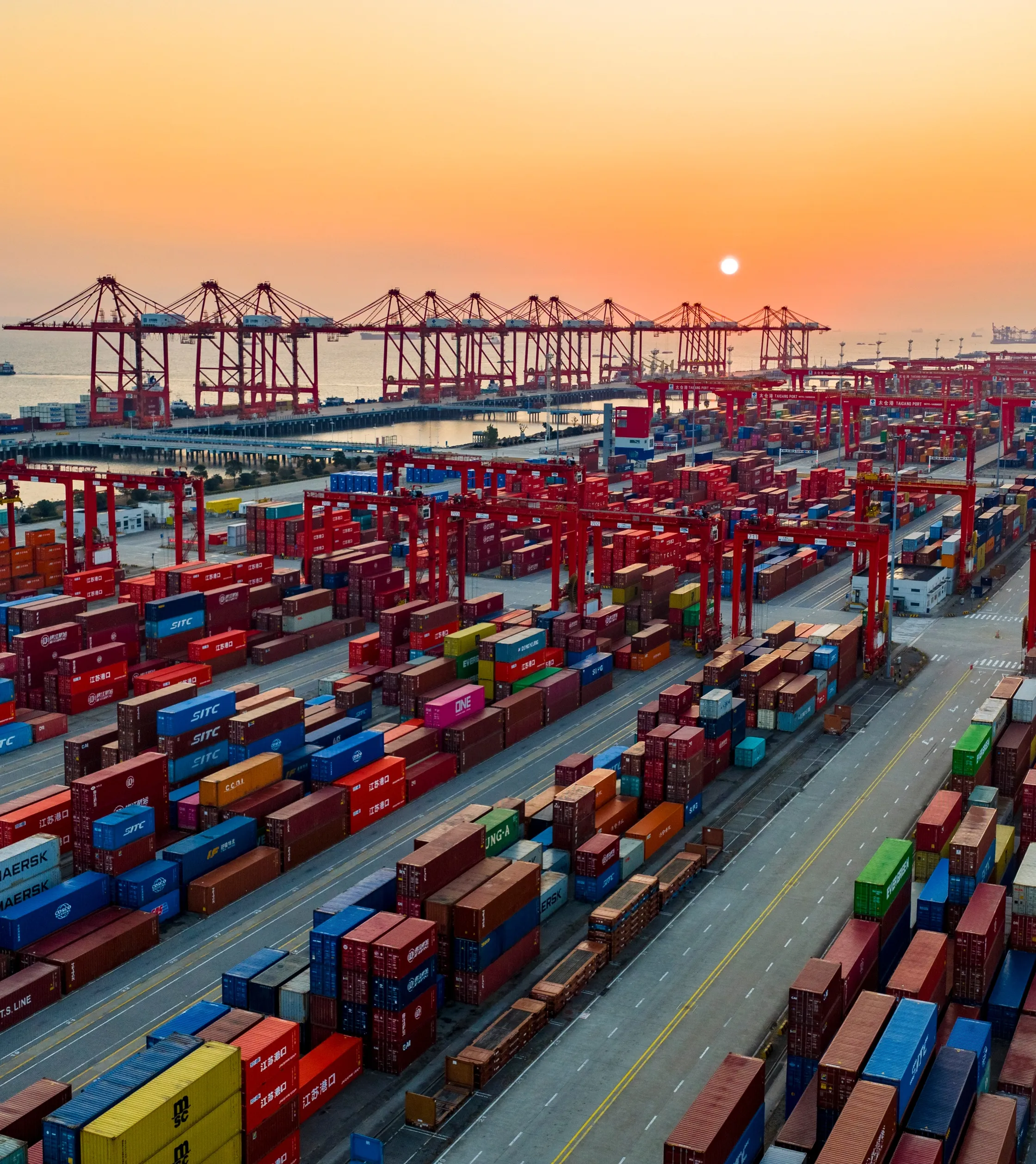
The Forces That Will Shape Fashion’s Supply Chains in 2026
Unpredictability was the theme for fashion’s supply chains in 2025, and the coming year looks to deliver much of the same turbulence. The key drivers of last year’s supply chain shocks for apparel sourcing teams — climate crisis events like floods and droughts, President Trump’s unpredictable tariffs, and a suite of looming laws — are likely to continue reshaping the industry’s sourcing map down to the raw material level. Written for Vogue Business.

Will Impact Investors Turn Their Back on Fashion?
A Dutch impact investment firm has divested from all 12 fashion companies in its portfolio, hoping to send a signal about the industry’s lack of progress against sustainability targets. It’s a divisive move. Written for Vogue Business.
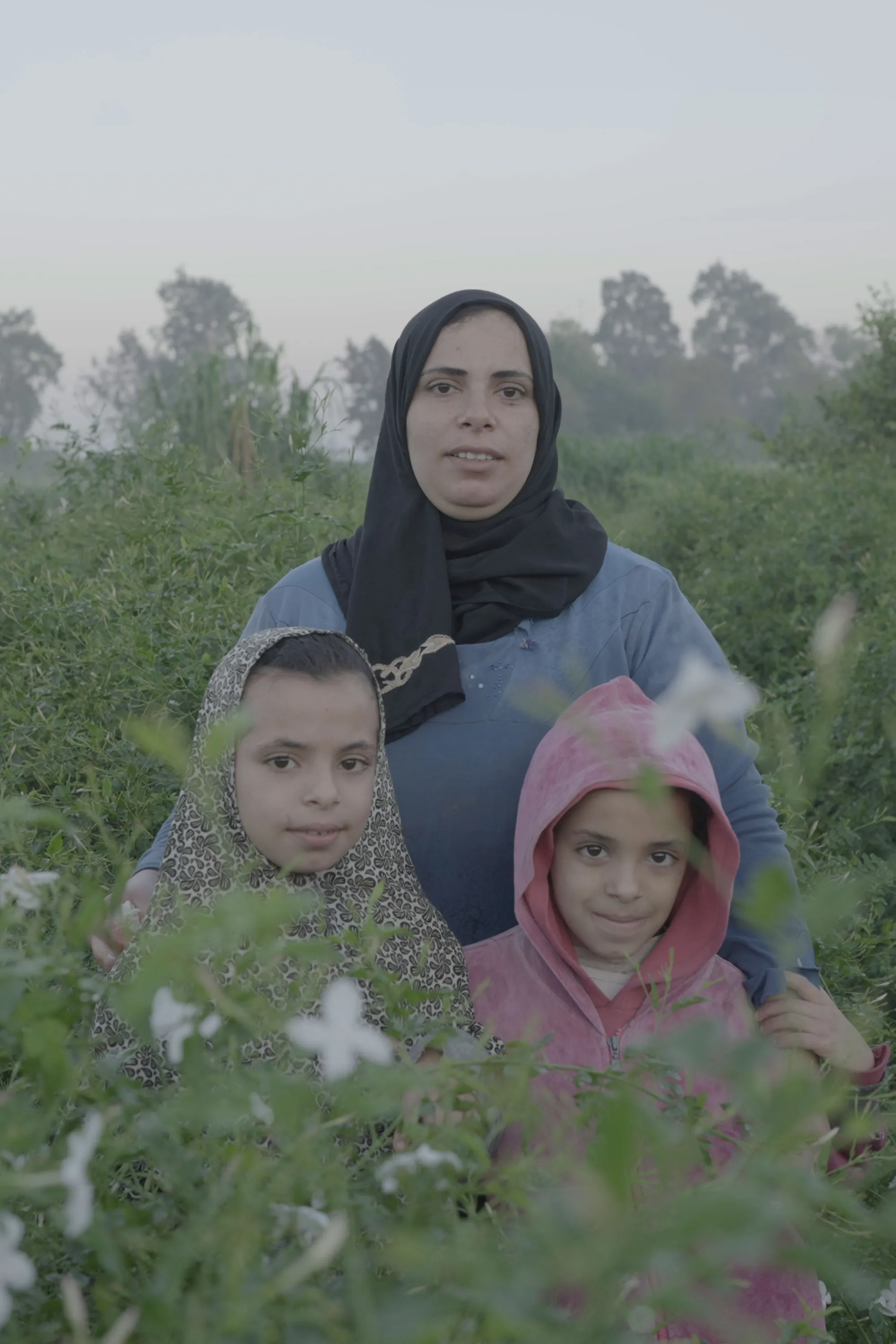
Jasmine farms supplying Estée Lauder and L’Oréal linked to child labour
A new BBC documentary found children as young as five picking jasmine from 3am in an Egyptian village responsible for producing 75 per cent of the country’s jasmine. Written for Vogue Business
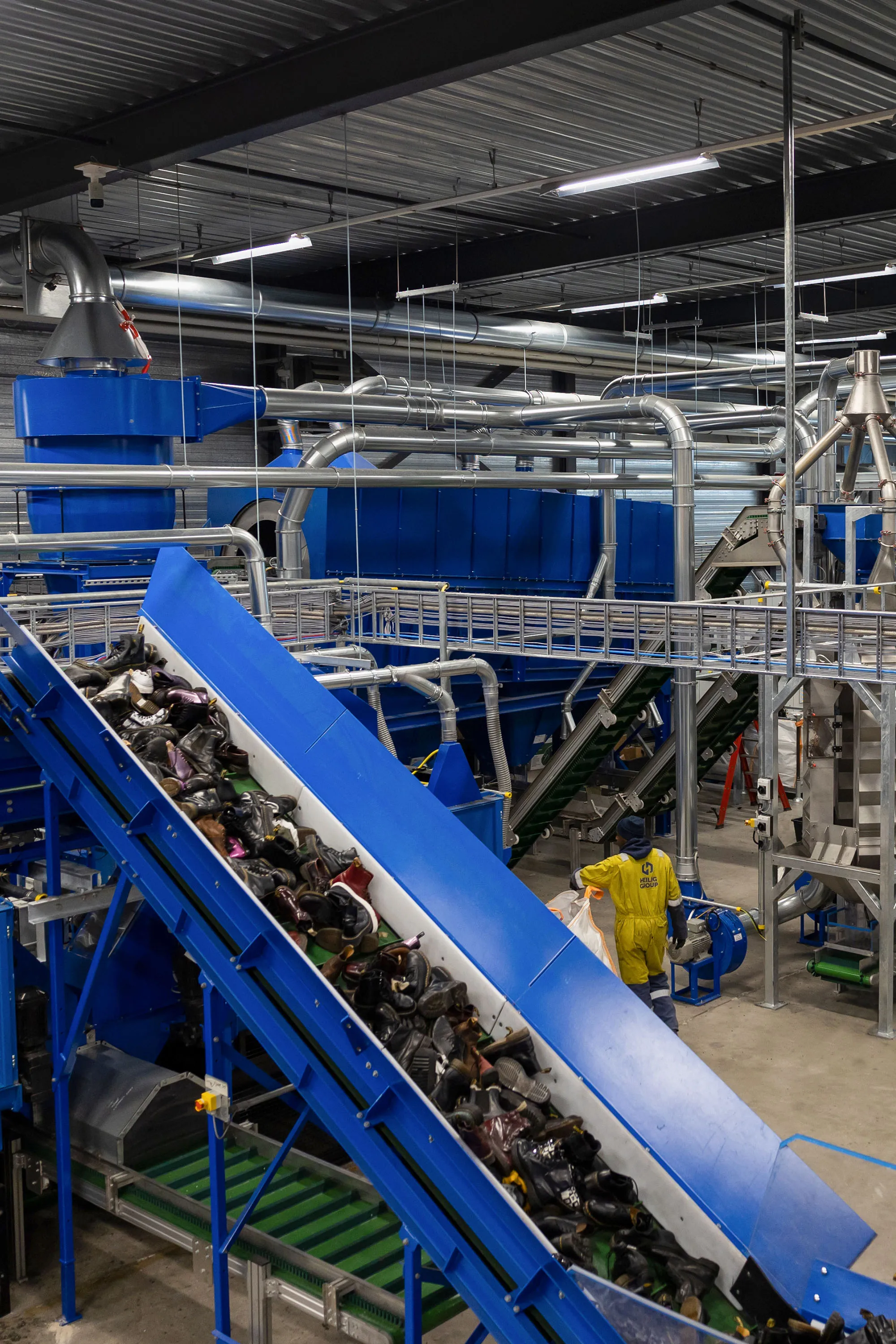
Sustainability Platform Fashion for Good Rethinks Consumer Focus
The fashion sustainability organisation is closing its Amsterdam museum and committing to longer-term work with its partners, according to its new five-year plan. Written for Vogue Business
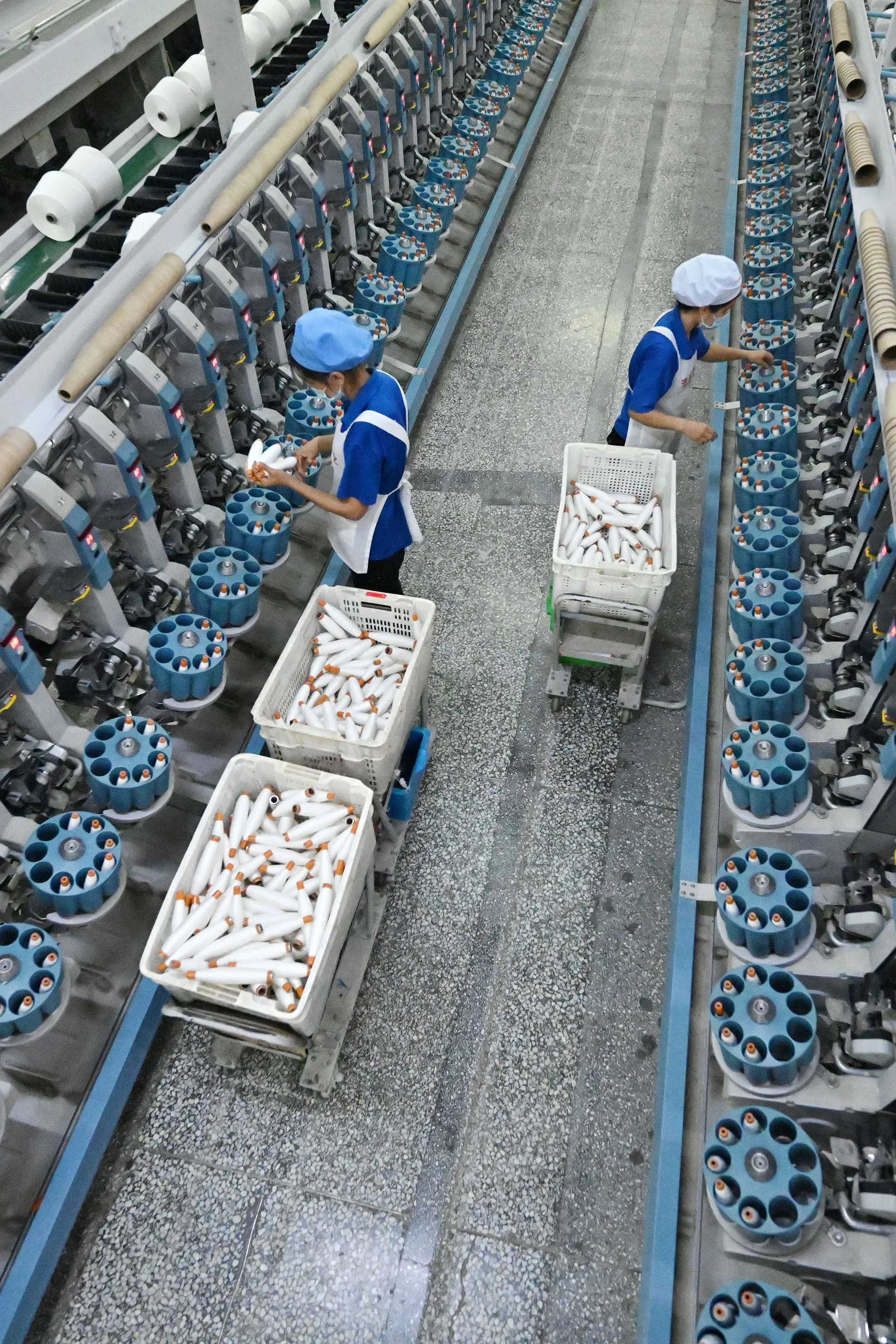
Legislation is coming for fashion’s supply chains. Are you ready?
This year is set to be a tipping point for fashion’s supply chains, as brands and suppliers race to comply with incoming legislation and meet 2025 sustainability goals.. Written for Vogue Business
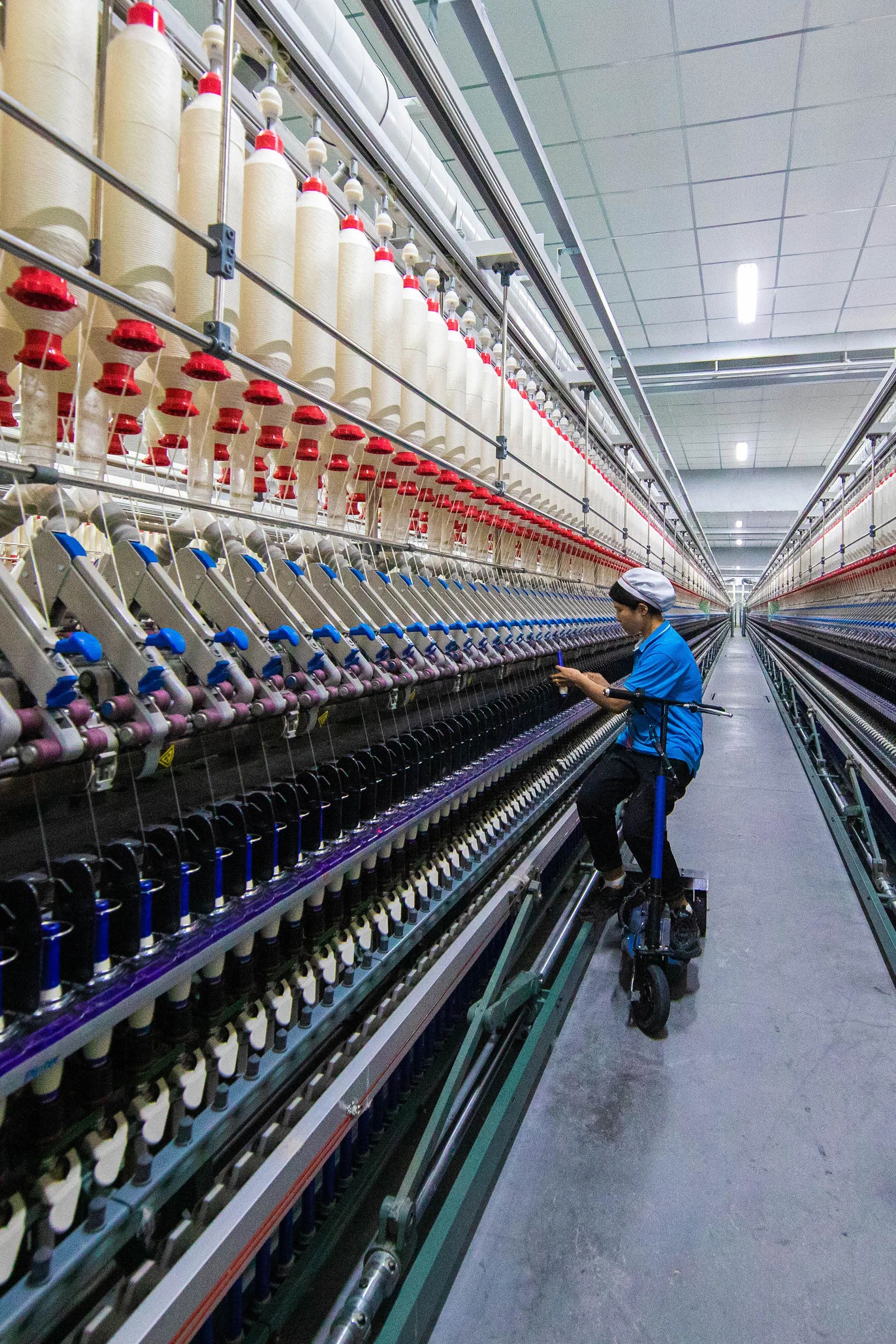
Stopping US Imports From Xinjiang: So Far So Good?
Almost 18 months in, a US federal law to clamp down on the import of goods made with forced labour in China’s Xinjiang region has had clear impacts on trade. The benefits for China’s Uyghur population are less certain. No one is being complacent. Written for Vogue Business
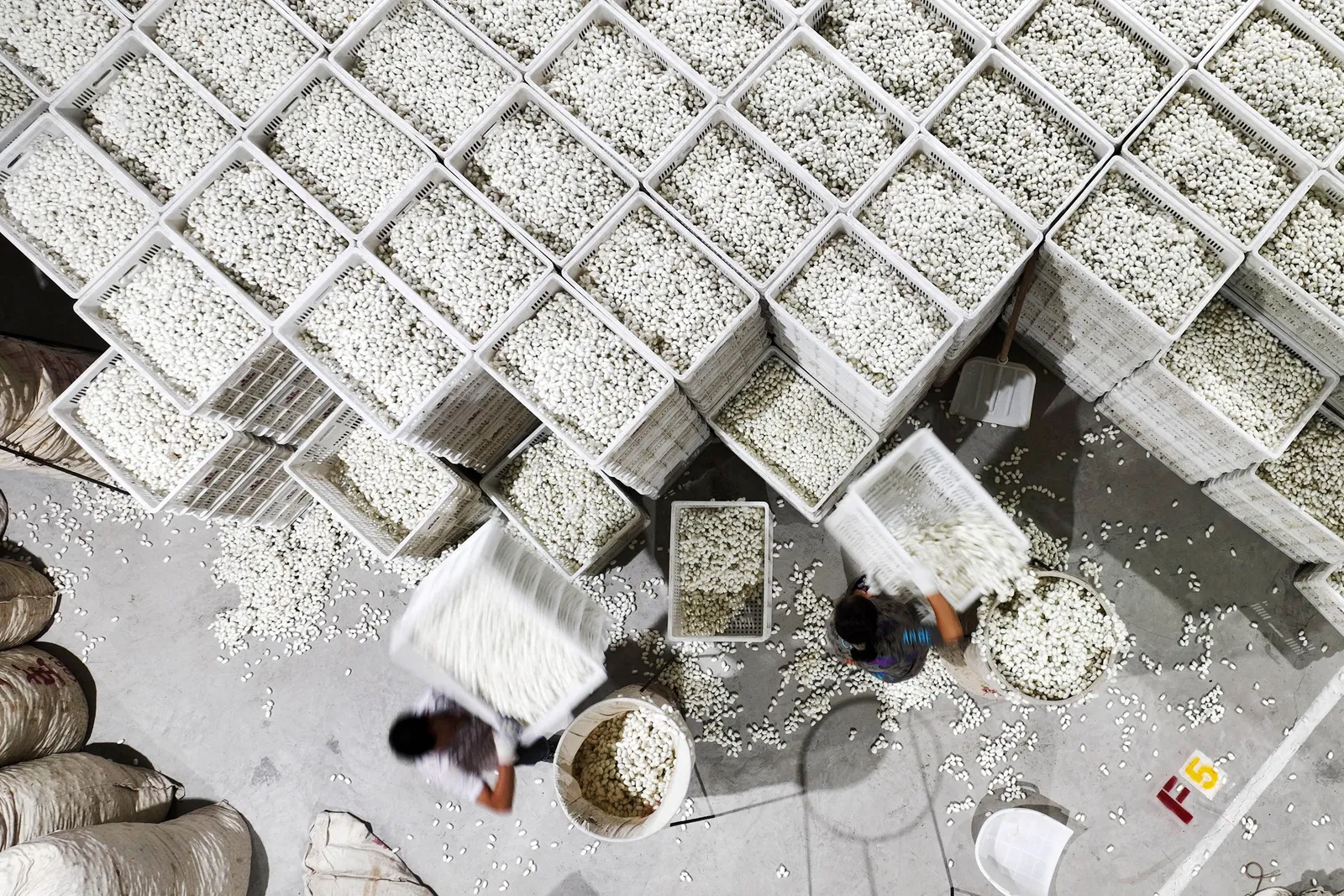
Supply Chain Innovation Is Sorely Needed. Who’s Going To Fund It?
Fashion brands and suppliers are facing more pressure and increased regulations on how products are made and dealt with at end of life, all while dealing with rising costs. The funding required to innovate and upgrade remains elusive.

Unpicking Fashion's Supply Chain Tiers & Their Risks
Holding together the fashion industry is an intricate network of actors that span the globe. The complexity of fashion’s supply chains can’t be underestimated — a single product can involve potentially dozens of suppliers, from raw material producers, processors, and assemblers, to certifying bodies, logistics providers and retail outlets, before it reaches the end consumer.
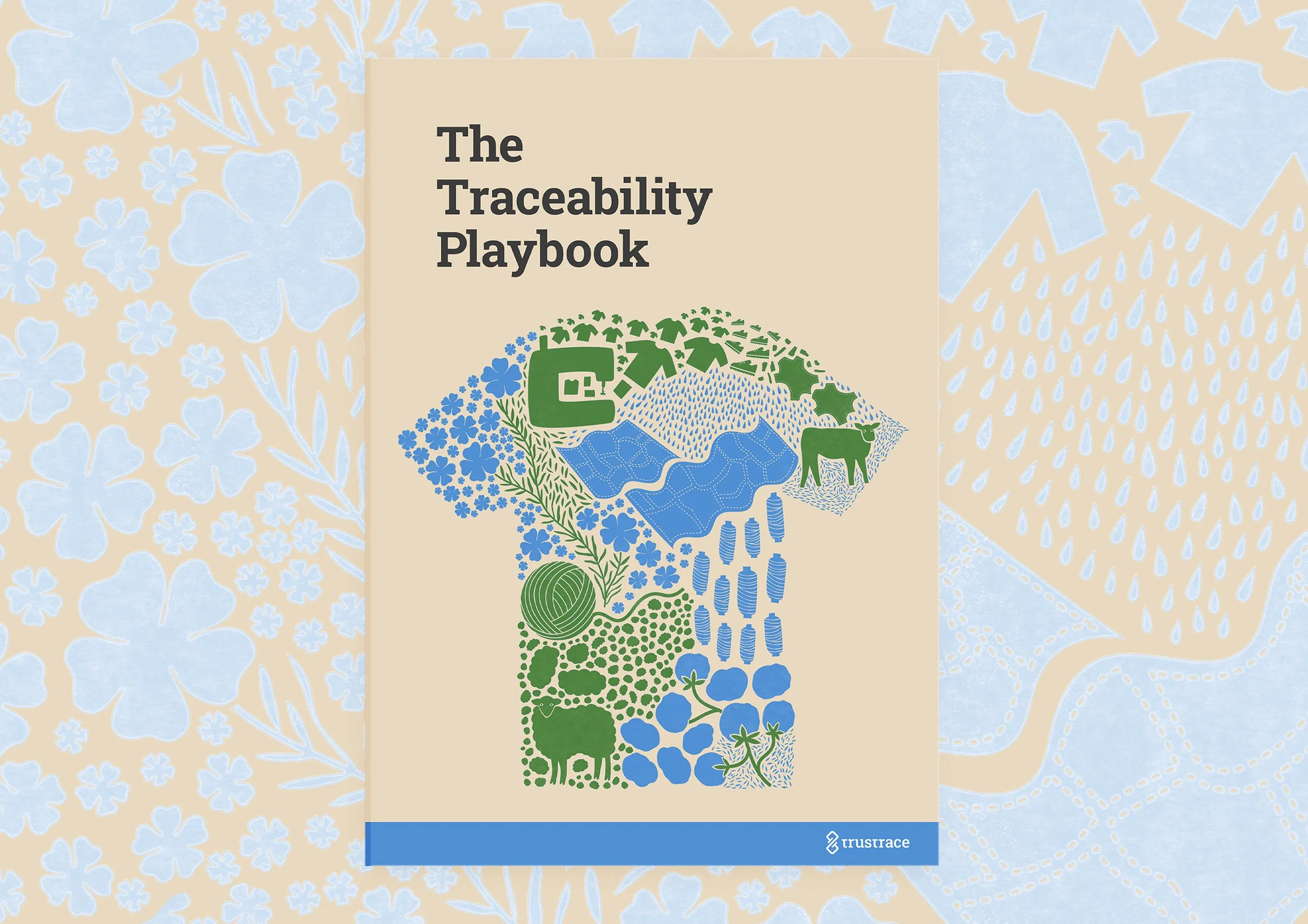
The TrusTrace Traceability Playbook
A fashion industry guide to supply chain traceability, written in collaboration with Fashion Revolution and Fashion for Good.

These 6 Traceability Technologies Could Help Clean Up the Fashion Industry
Traceability is difficult to achieve and progress is slow, especially for big brands that face retroactively implementing it into their huge, convoluted network of suppliers. But technology may offer a solution. Here are some of the exciting companies creating tech solutions to transform supply chain traceability.

How 2020 Became Carbon's Year of Reckoning
Fashion’s carbon footprint has been a key issue in 2020, and with increasingly innovative solutions to this growing crisis on offer, the fashion industry is paying attention.