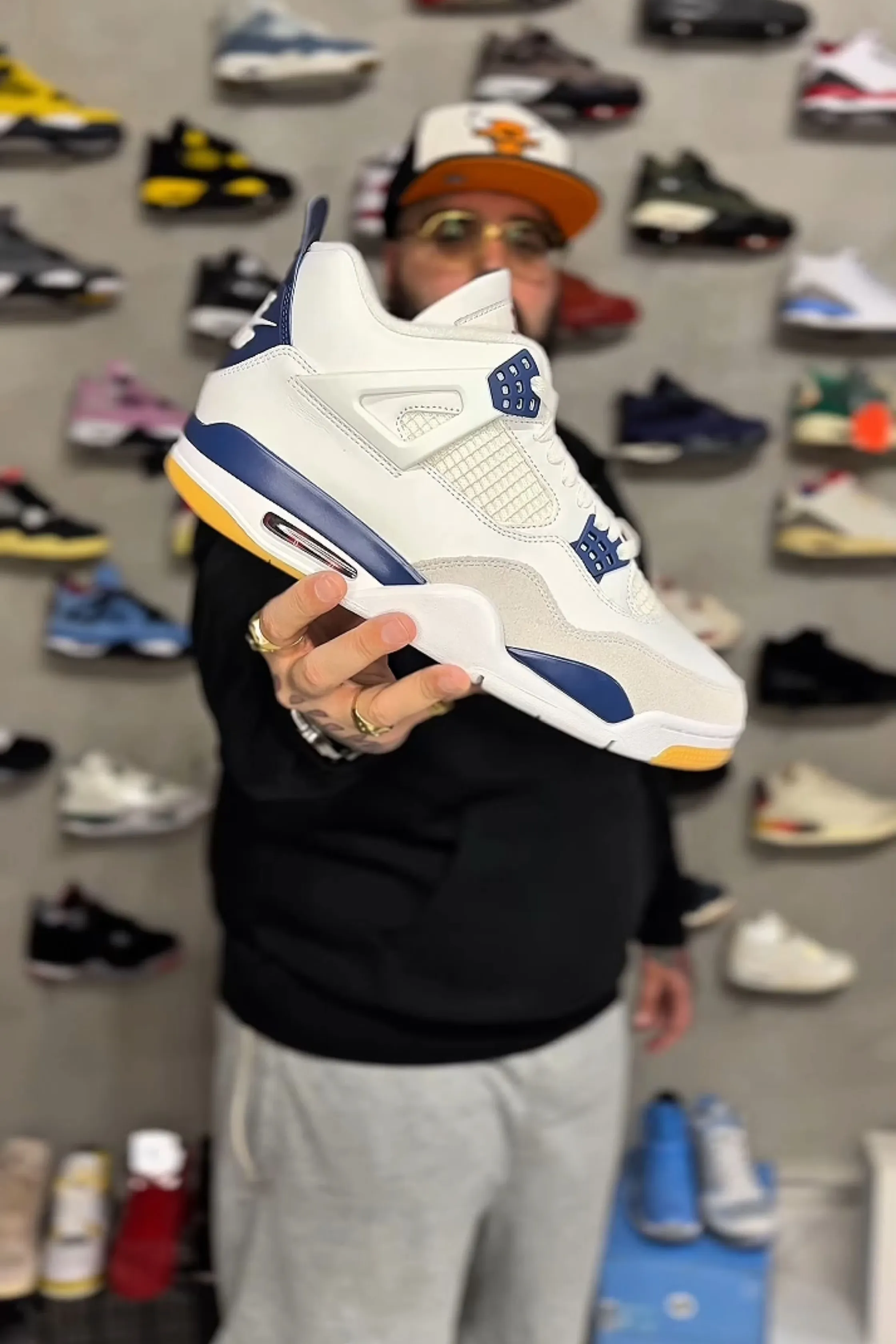
The Darker Side of Live Shopping
Proponents believe that live-stream selling is the future of e-commerce, creating new avenues for selling dead stock, vintage, and secondhand products while purportedly reducing return rates and overcoming inherent limitations of static e-commerce websites by allowing shoppers to ask questions and see the detail, flow, and fit of the garments. But others are concerned that live streaming is speeding up consumption and using manipulative tactics, like limited shopping windows and bidding, to encourage impulse-driven shopping habits. Written for Vogue Business.
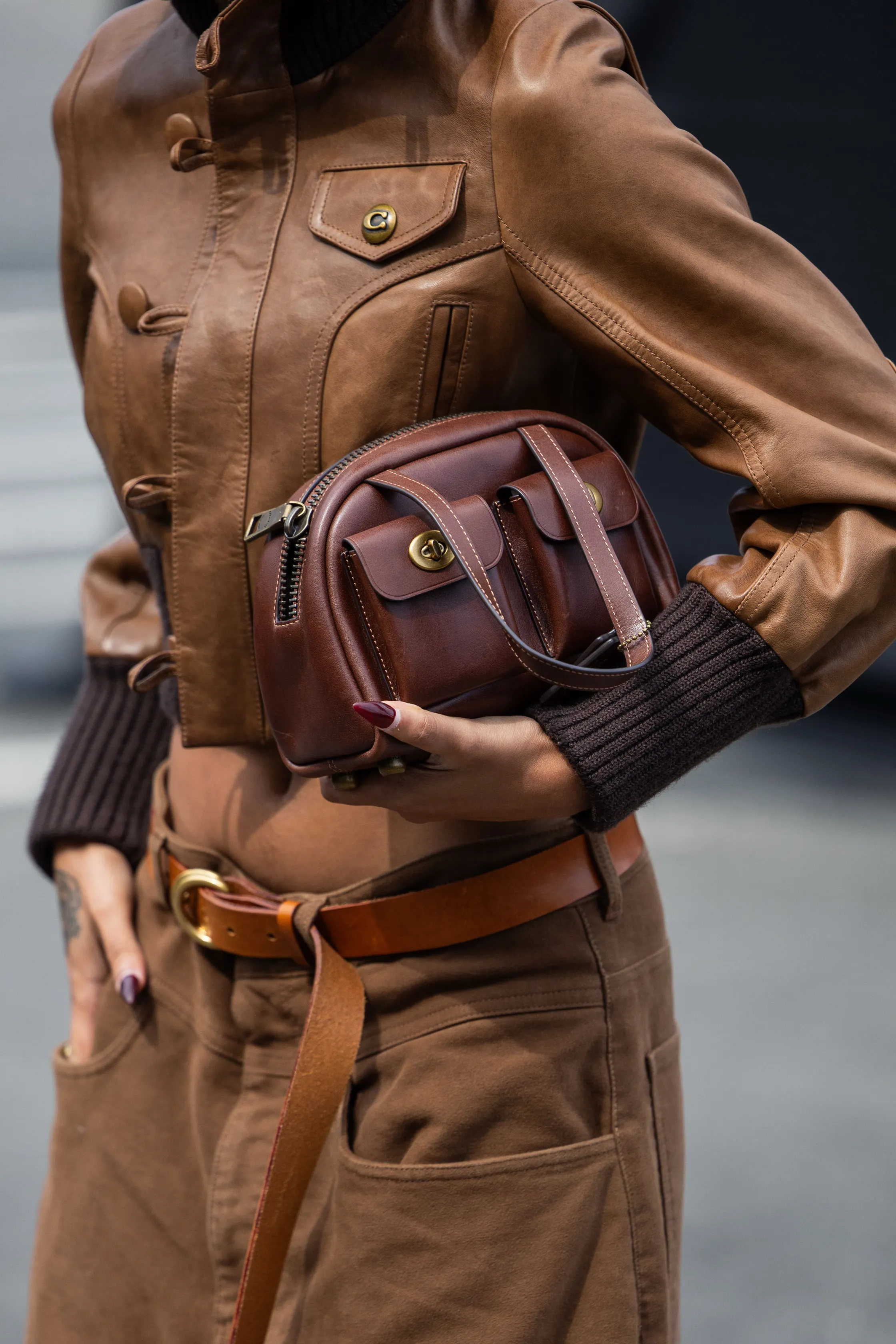
The Leather Lobby Could Change the Fate of the Fashion Industry
The fate of leather is up in the air, carrying big implications for fashion supply chains. On June 1, regulators will decide whether or not to exclude leather from the European Commission’s Deforestation Regulation (EUDR), which will come into effect at the end of this year and aims to ensure products sold in the European Union do not contribute to deforestation or forest degradation. Written for Vogue Business.
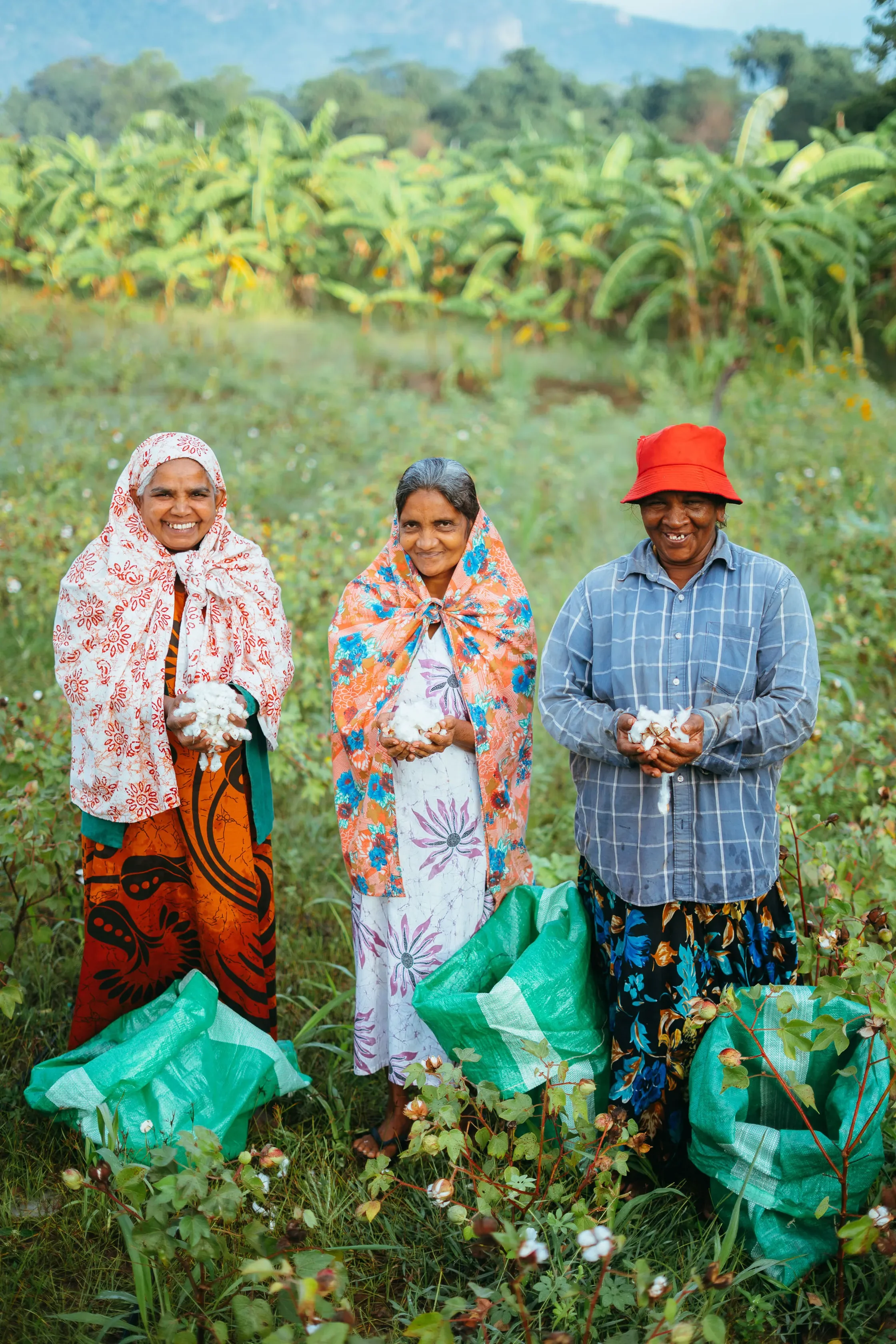
How to Revive Ancient Cotton
Deep in the center of Sri Lanka’s agricultural heartland lies Monaragala, which in early April, is simmering under unseasonable heat and humidity. A five-hour drive from the capital of Colombo, it’s home to a unique initiative: reintroducing near-forgotten ancient cotton farming practices to the region, with a modern regenerative twist. Written for Vogue Business.
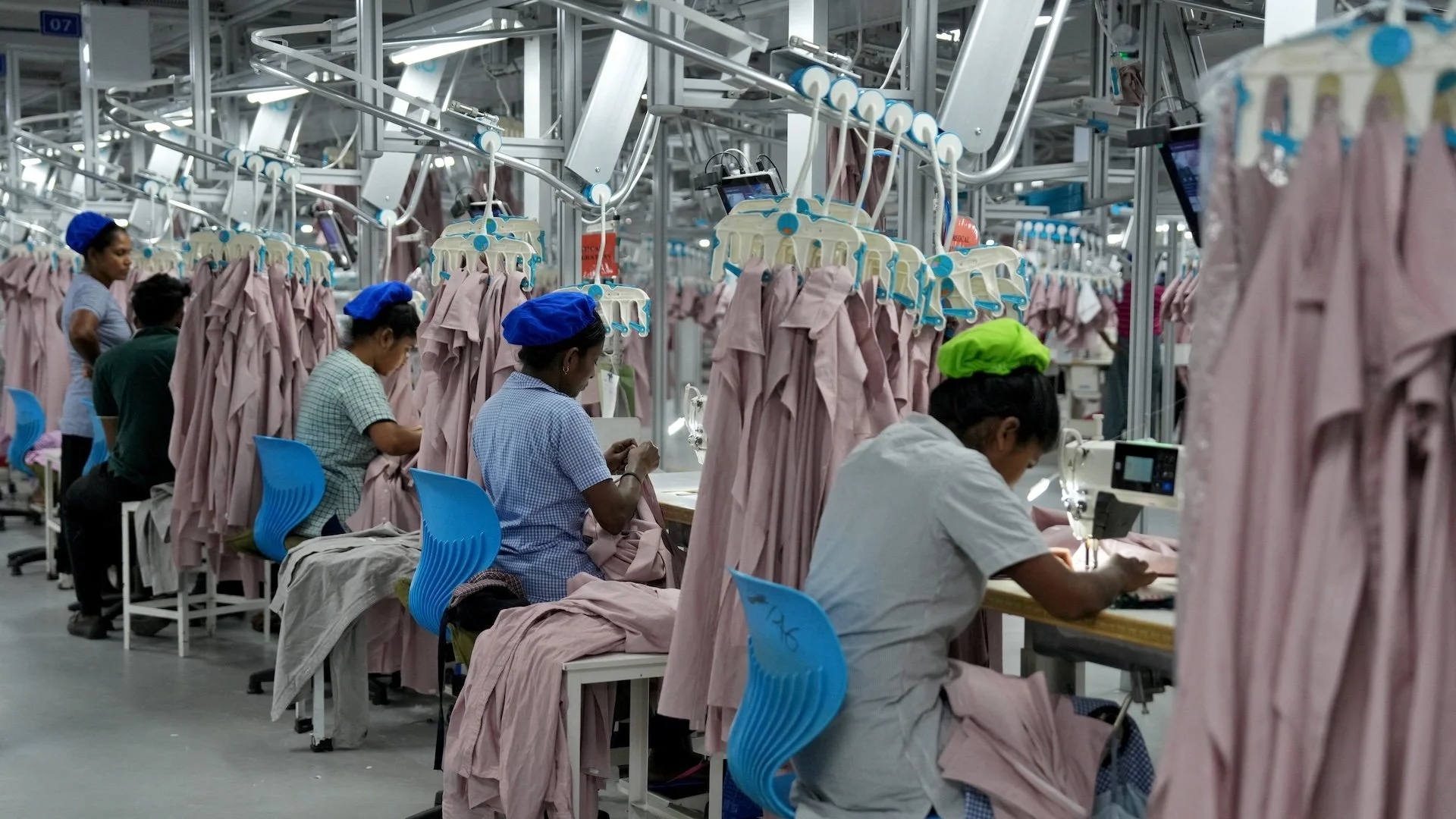
Sri Lanka’s $5 Billion Apparel Industry Faces Fresh Headwinds
While the country punches above its weight in the apparel sector, the island nation has had to grapple with more than its share of environmental and geopolitical crises—and that was before the war in Iran created a choke point. Written for HGI

Bog Fashion: The Designers Collaborating with Swamps and Soil
Working with peatland water, moss, clay, and time, a new generation of designers embraces irregular dyeing and decay as a way to question what quality and value truly mean. Written for Atmos Magazine.
Sustainable Fashion Funding Is Faltering. What Now?
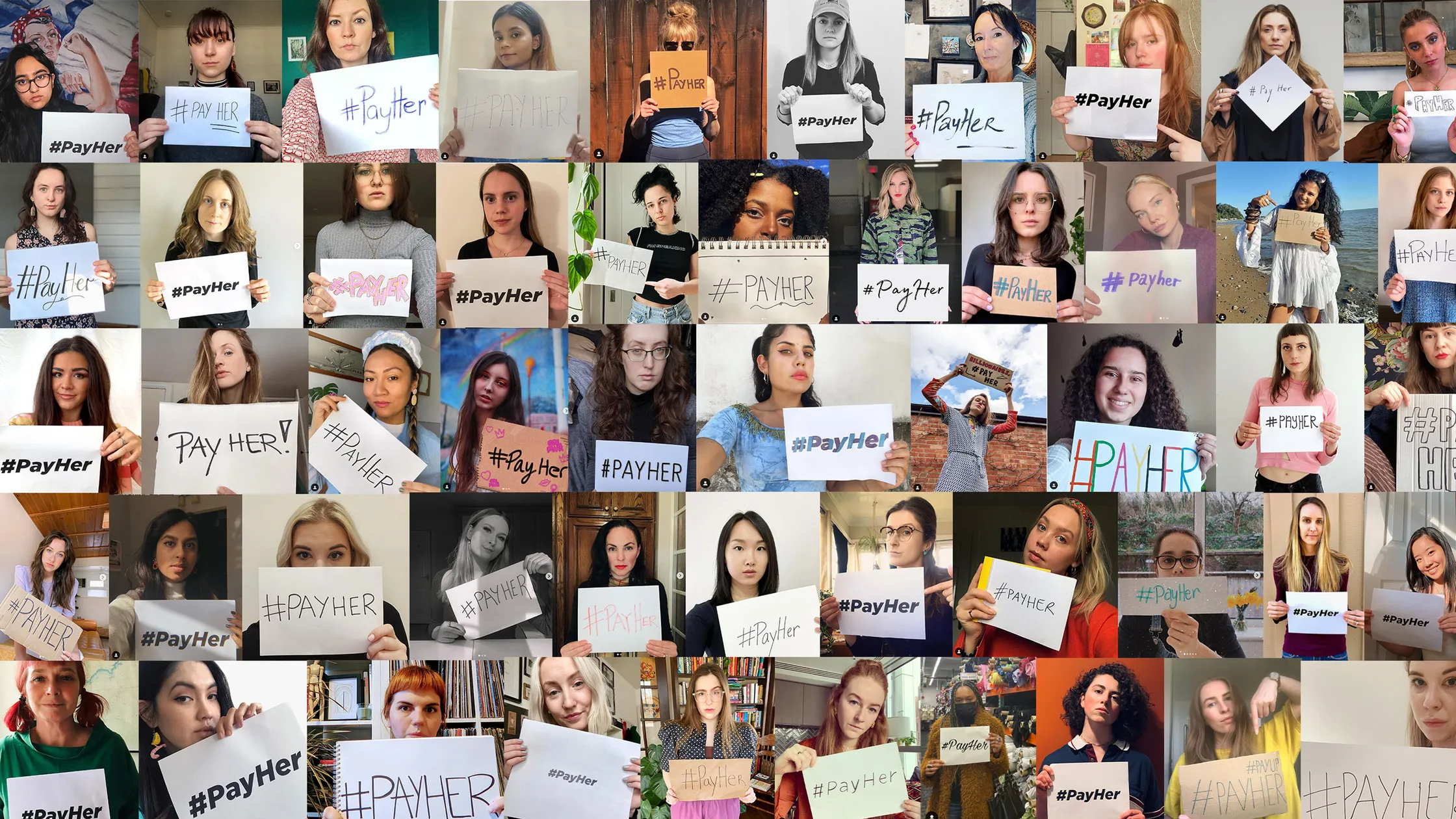
After more than 10 years, Californian fashion advocacy organization Remake will cease operations this week. In an announcement made on February 19, the non-governmental organization (NGO) behind the #PayUp campaign, which pressured global brands to pay for $22 billion in canceled orders during the pandemic, cited insurmountable funding issues as its core reason for shuttering. Written for Vogue Business.
The Forces That Will Shape Fashion’s Supply Chains in 2026
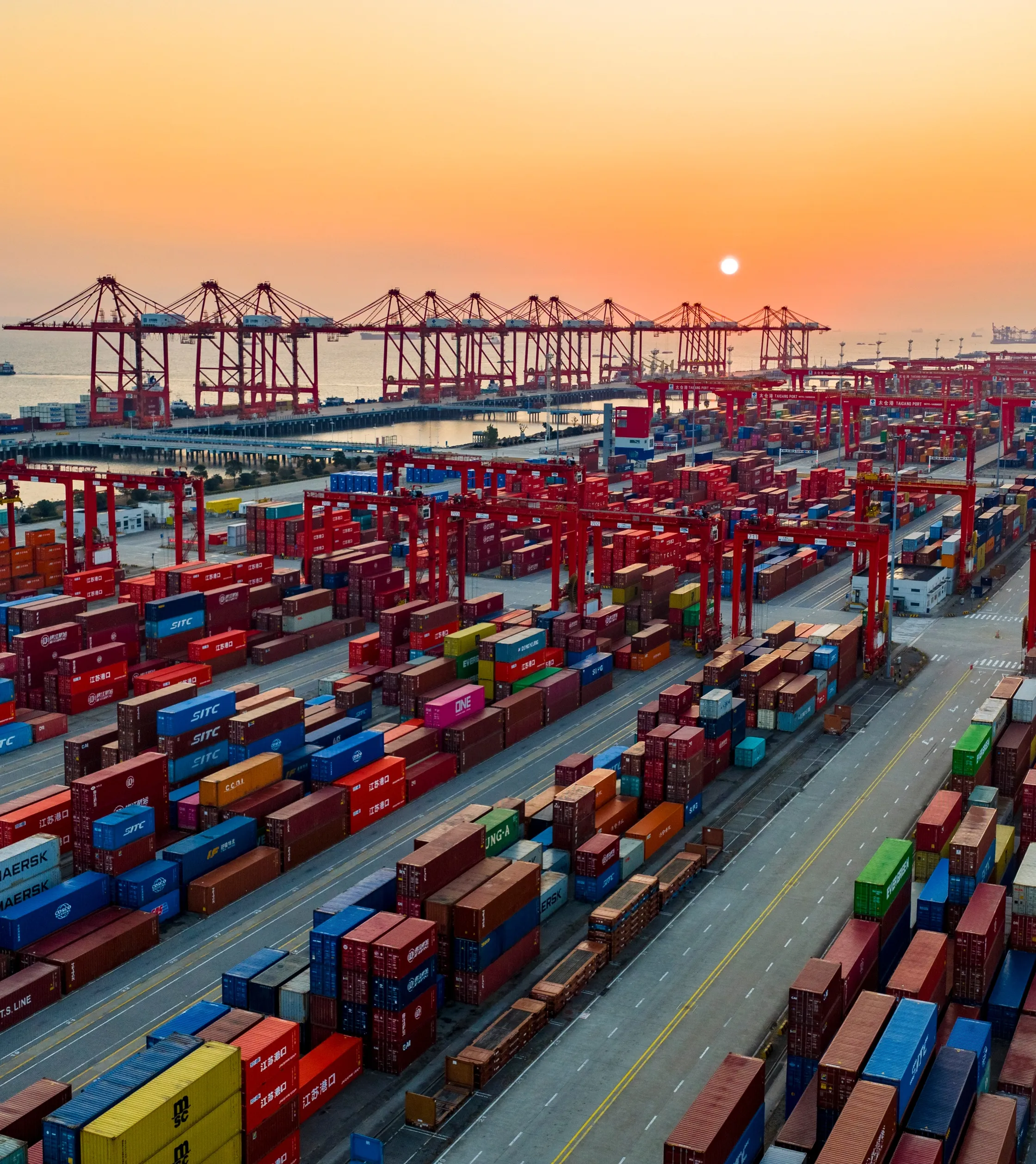
Unpredictability was the theme for fashion’s supply chains in 2025, and the coming year looks to deliver much of the same turbulence. The key drivers of last year’s supply chain shocks for apparel sourcing teams — climate crisis events like floods and droughts, President Trump’s unpredictable tariffs, and a suite of looming laws — are likely to continue reshaping the industry’s sourcing map down to the raw material level. Written for Vogue Business.
Meet the People Cleaning Up Fashion’s Waste Problem
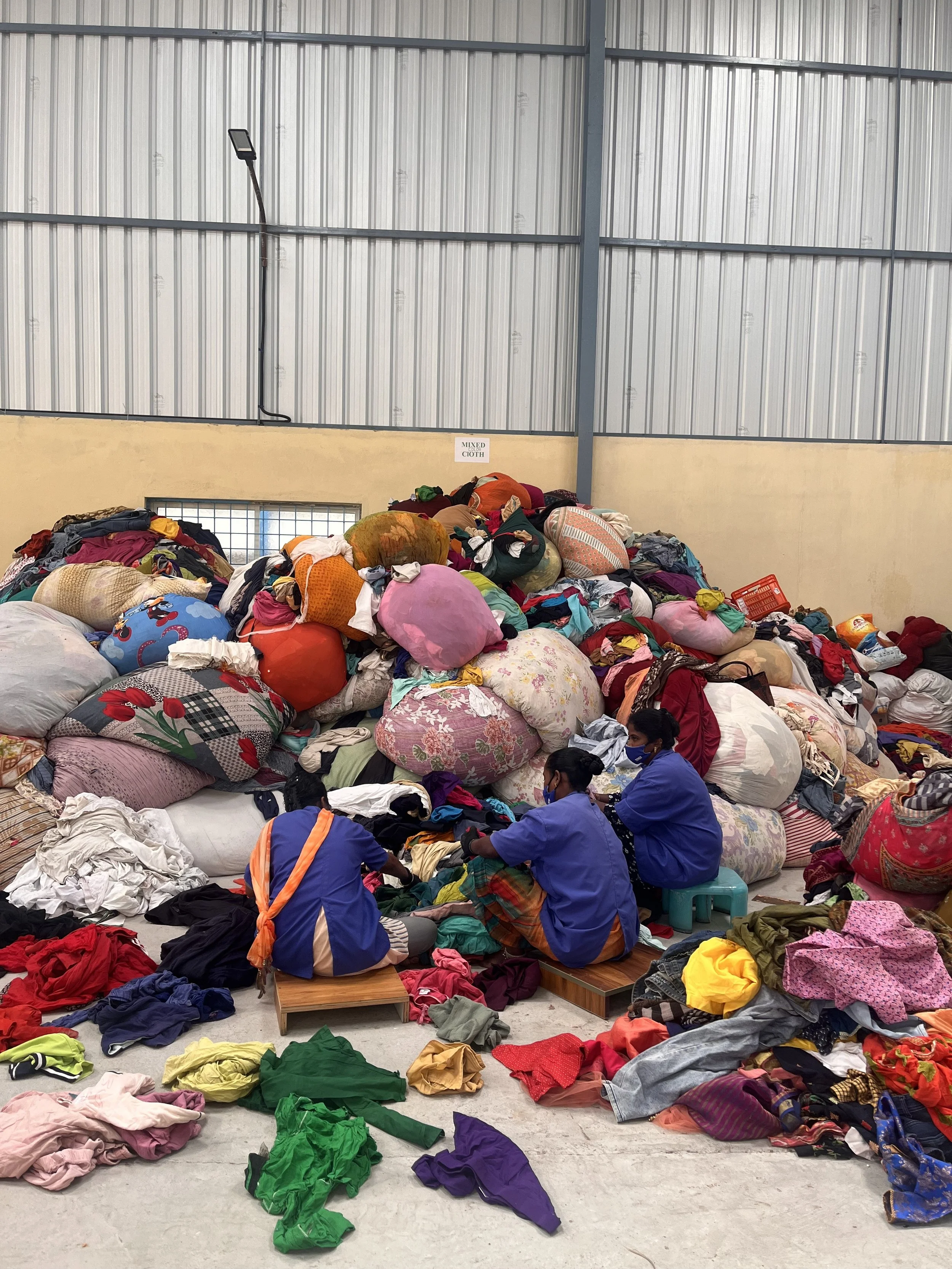
For many people, what happens to donated clothes or bags of recycling waste is a mystery — out of sight, out of mind. But for millions, this waste is a livelihood. Written for Vogue Business. Read here >

The Hands Behind the Label
Episode 12 of the Slowly Stitched Podcast: “The Hands Behind the Label”, where we’re shifting our focus from the materials that make our clothes to the people who bring them to life. In this episode, we explore the human labour woven through fashion from garment workers and artisan collectives to small factory teams around the world. Watch here >

When Owning the Factory Doesn’t Automatically Mean Accountability
Abrupt plant closures by NEXT and Fruit of the Loom expose how brand-owned manufacturing can perpetuate the same power imbalances it was meant to address.

The Needle Movers 2025: Fashion Has Solutions—It’s Missing Investment
The lack of progress on sustainability in fashion isn’t due to the lack of innovation. Solutions to problems are out there. Funding, on the other hand, is the barrier. For this year’s Needle Movers list, we examine seven case studies that show what actual progress can look like: practical solutions to specific problems. Written for Good On You

Reimagining Physical Retail: Where the Future of Shopping Actually Happens
After a decade of algorithmic recommendations and infinite-scroll fatigue, physical retail is offering something the digital world can’t quite crack. Those at the cutting edge of this transformation show how stores can become spaces for building sustainable businesses—creating clear opportunities in an industry racing to evolve. Written for Good On You
The Case for Change: Case Studies from Industry Changemakers
This compilation of case studies is designed to provide inspiration rooted in real-world experience, reinforcing the business case for urgent climate action. It brings together impactful examples from across the fashion, textile, and apparel industry and beyond, showcasing progress in some of the most complex and nuanced challenges our sector faces. Written for Textile Exchange.

The Overlooked Child Labour Problem in Fashion’s Supply Chain
Child labour tends to occur deep in raw materials supply chains, which means it can go unnoticed. What can brands do? Written for Vogue Business.

Why Does Fashion Prioritise Planet Over People?
Fashion has made some big swings, and some bold commitments, towards reducing its environmental impact. But supply chain workers are being routinely left out of sustainability strategies. Why does the industry seem to care so much more about materials than it does about the plight of garment workers? Written for The Interline
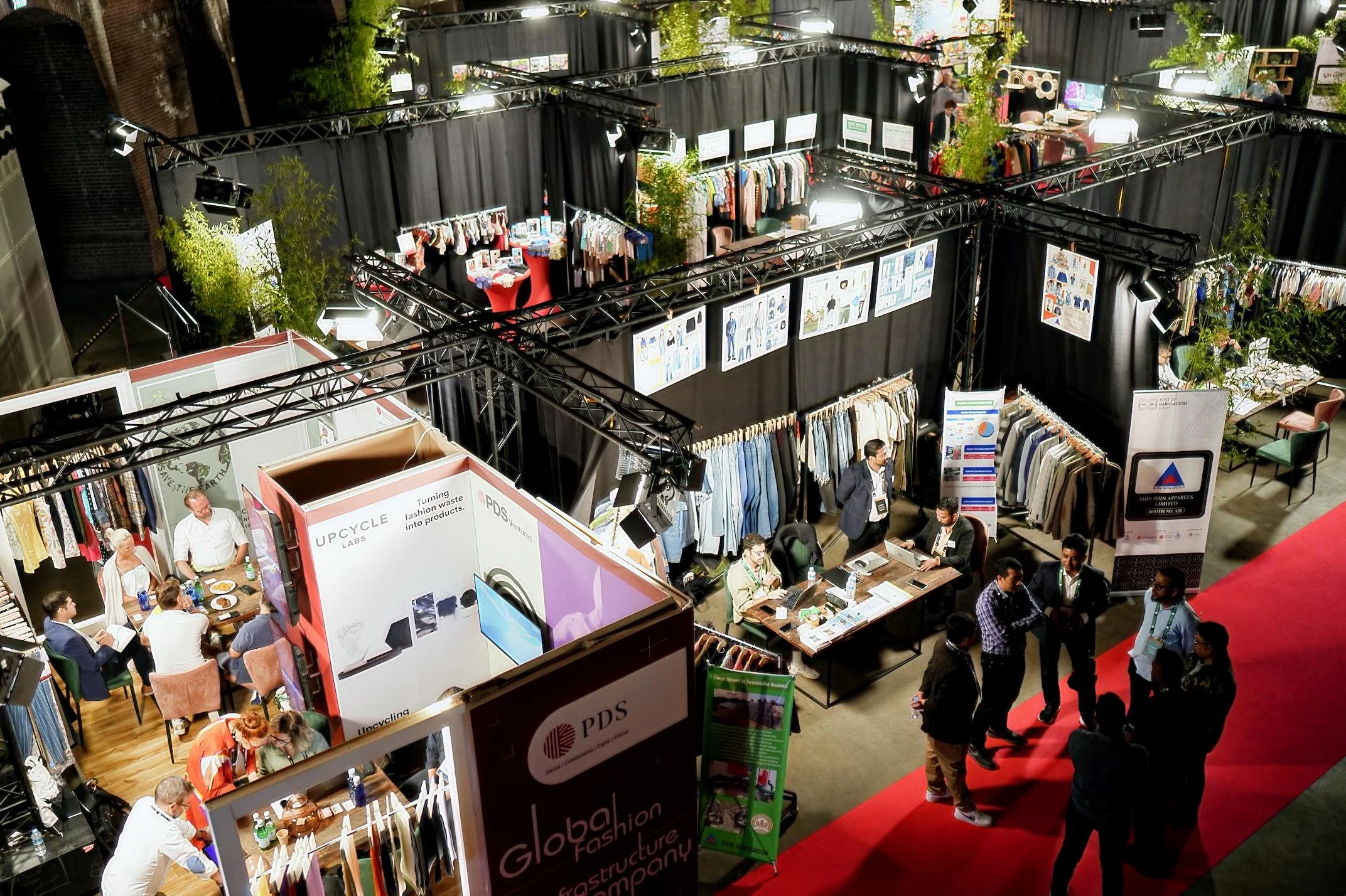
Bangladesh Wants To Change the Narrative Around Its Manufacturing Processes
The ‘Best of Bangladesh Europe’ conference in Amsterdam sought to educate the European industry on the country’s sustainable business practices to rally for support from the broader industry.
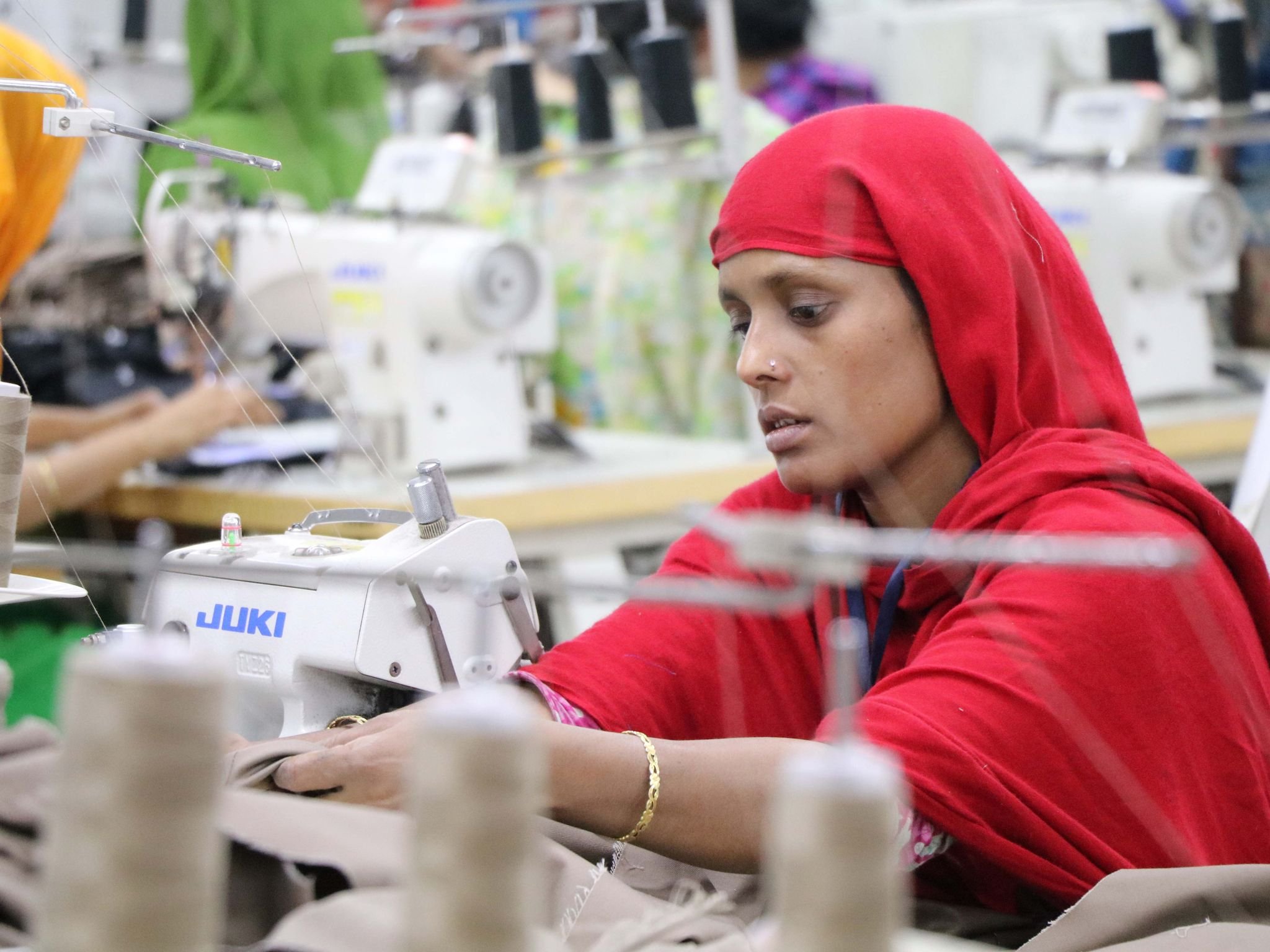
A Decade On From Rana Plaza, How Much Has Improved For Garment Workers?
Experts weigh in on what still needs to be done, and how consumers can help drive change.

Not So Fab-letics: How Fabletics’ Lack Of Transparency Is Leading To Dangerous Working Conditions
Following a worker abuse scandal in one Fabletics factory, has Kate Hudson’s activewear empire improved its treatment of workers or environmental credentials?

One Compelling Reason Why H&M, Zara & Tommy Should Sign the Bangladesh Accord.
At the end of August, the Bangladesh Accord is set to expire, with potentially devastating impacts for the country's 2.7 million garment workers. So what’s next? Brands need to sign the Accord extension and expansion to keep more worker deaths from occurring.
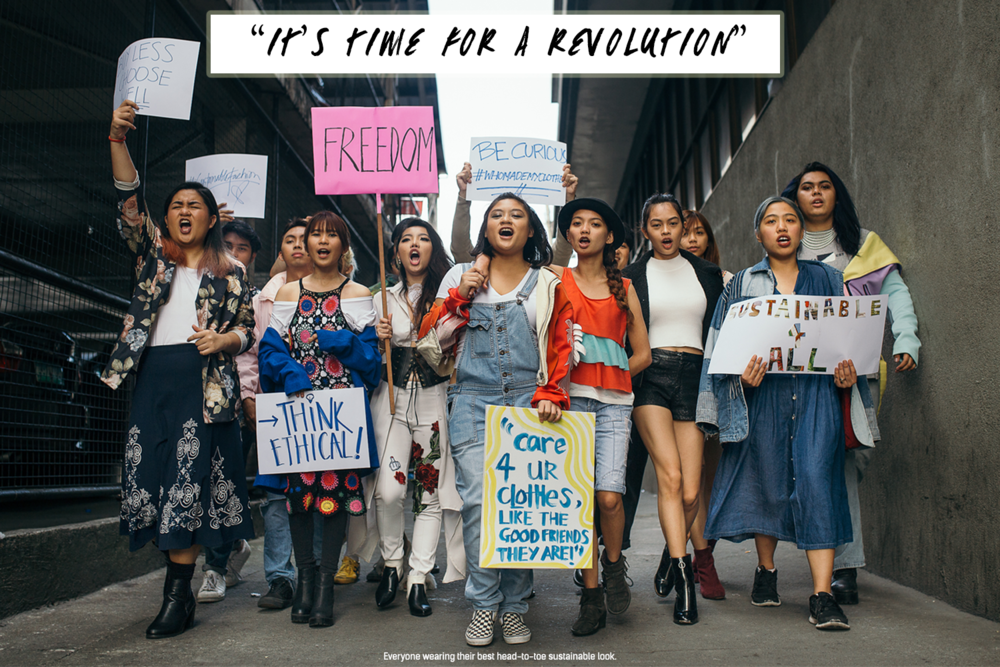
In Conversation With Orsola de Castro During Fashion Revolution Week
To celebrate Fashion Revolution Week, sustainable fashion journalist Megan Doyle sat down with Orsola to talk about greenwashing, the impact of the Black Lives Matter movement on sustainable fashion, and practical solutions to change the way we wear and mend our clothing.